
The Volkswagen Polo is one of the all-time greats in South Africa. Here’s what you should know if you want a used example.
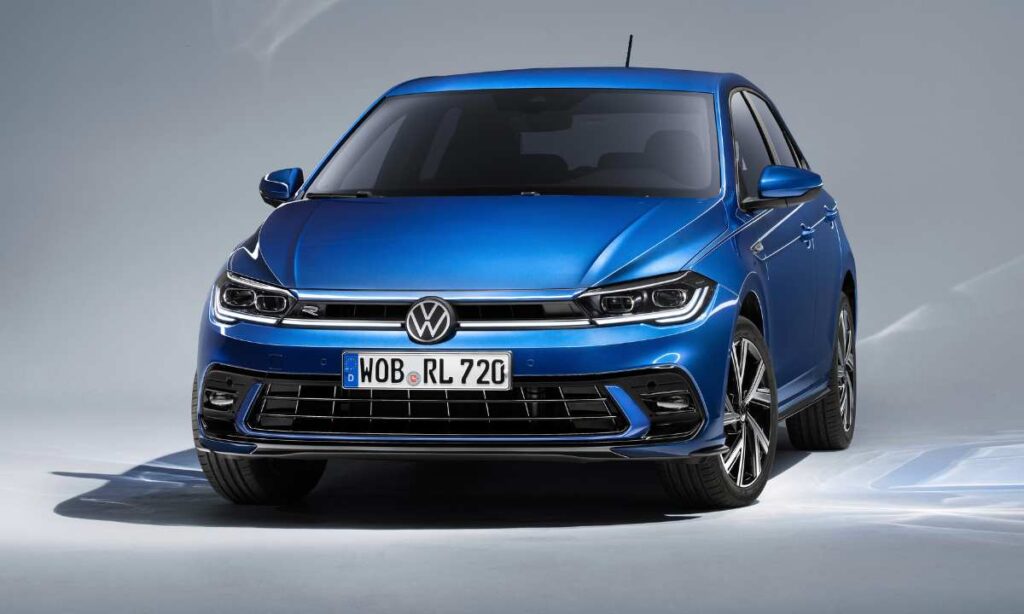
Photo: 2022 Volkswagen Polo
The arrival of the sixth-generation Volkswagen Polo in 2018 recalibrated the South African B-segment hatchback scene. The car raised the bar for structural rigidity and cabin quality. The 2022 facelift, built locally at VW’s Kariega plant in the Eastern Cape, was more than cosmetic. It was a strategic update designed to align the Polo with the Golf 8’s digital-first approach. As we head further into 2026, these 2022-2025 models have become top targets for used buyers who want modern tech without the brutal depreciation of a new car. The Polo remains a benchmark, balancing the prestige of the VW badge with a chassis that feels far more grown-up than its rivals.
A rundown on the VW Polo
The 2022 facelift brought a sharper look, most notably the IQ.Light LED matrix headlamps and a continuous LED light bar that runs across the grille on higher-spec models. The rear got a redesign with horizontal taillamps that blend into the tailgate. Inside, the cabin turned into a digital stronghold, and even the base models moved toward digital instrumentation. Higher trims get the maker’s 10.25-inch Digital Cockpit Pro and an 8.0-inch Composition Media infotainment system with wireless smartphone mirroring. The shift to touch-capacitive sliders for climate control looks modern, but some people still prefer the physical buttons of the 2018-2021 models.
Powertrains in South Africa focused on the 1.0-litre three-cylinder TSI for the standard range, plus a 2.0-litre four-cylinder for the GTI. The entry-level engine makes 70 kW and 175 N.m of torque and is paired only with a five-speed manual. The more popular high-output variant makes 85 kW and 200 N.m and uses a seven-speed DSG. It’s notably punchier, hitting 100 km/h in 11.3 seconds and topping out at 200 km/h. The flagship GTI is a true performer, developing 147 kW and 320 N.m through a six-speed DSG, and sprinting to 100 km/h in just 6.7 seconds.
What to look out for when buying a used VW Polo
– DSG mechatronic & clutch wear: “Juddering” on take-off or erratic gear hunting in slow traffic can point to worn clutch packs or a failing mechatronic unit.
– Infotainment & software gremlins: The updated MIB3 system can freeze, touch-sliders can be unresponsive, or App-Connect may drop wireless links. Make sure the car’s firmware is up to date.
– Coolant pump & thermostat housing leaks: The plastic coolant pump housing can crack and slowly leak. Check the engine bay for pinkish residue and monitor coolant levels.
– Direct injection carbon buildup: As a Gasoline Direct Injection engine, the 1.0 TSI can accumulate carbon on intake valves at high mileage. Have a certified technician inspect the car.
– Theft risk & insurance premiums: The Polo remains a high-risk target for theft and hijacking in South Africa. Always verify an approved tracking device is fitted and be prepared for higher insurance costs compared with less-targeted rivals.
Photo: 2022 Volkswagen Polo
Which one to buy
For the 2022-2025 Polo range, go for the 1.0 TSI 85 kW Life DSG. The entry-level 70 kW manual is capable in the city, but the extra torque from the 85 kW engine makes it easier to drive and helps maintain momentum when the car is fully loaded. The seven-speed DSG adds a level of convenience the manual can’t match. The Life trim offers the best balance of features, including a digital instrument cluster and park distance control, without the inflated price tag of the Style or R-Line models.
Browse thousands of new and used vehicles here with CARmag!